Money abroad
Overcharged abroad: restaurant bills, taxis, and how to push back
Most places are honest. The ones that are not rely on one thing: that a tourist cannot ask, cannot read the small print, and will not argue. Here are the rules that are on your side — and the questions that switch them on.
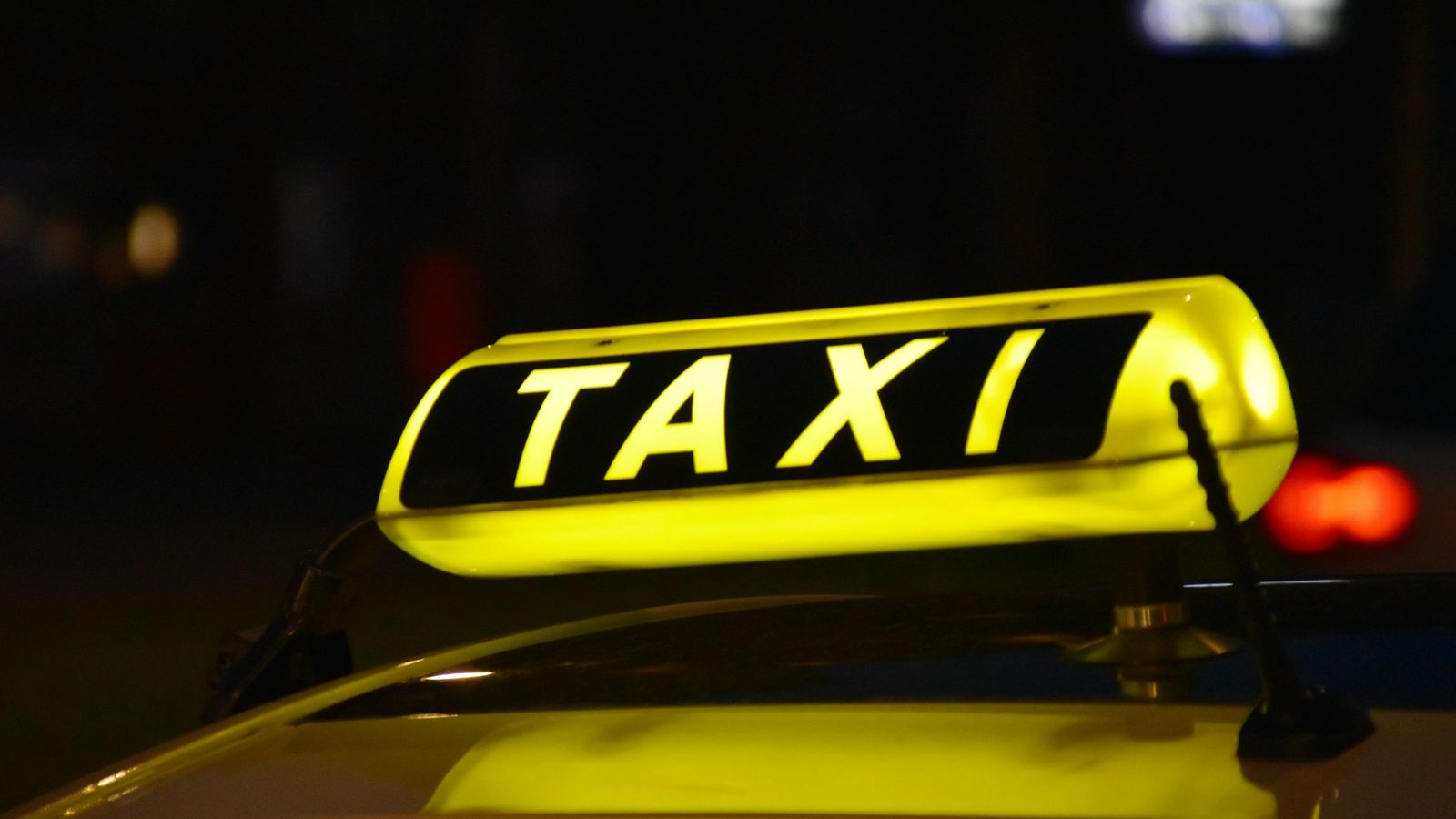
Photo: Waldemar Brandt / Unsplash
The bill arrives folded inside a little leather book. You were expecting about sixty euros.
It says ninety-four.
Two of the lines are written by hand, in a word you do not know. The total has been circled. The waiter is standing a polite metre away, and the people you came with are already reaching for their jackets.
You have about ten seconds to decide whether you are the kind of person who asks. And then a second problem arrives: ask what, exactly — and in which language?
Most restaurants and most taxi drivers are honest, abroad as at home. But the ones who are not have a business model, and it depends on a single assumption: that a visitor cannot ask, cannot read the small print, and will not argue. Being overcharged abroad is rarely about the price. It is about the conversation that did not happen.
This guide is the rules that are already on your side — several of them are law — and the questions that switch them on.
If you only read this
- Ask the price of anything that has none. Fish by the kilo, the "special", the second bottle. A price you were never shown is a price you can dispute.
- In Greece, no receipt means no obligation to pay. It is the law, and every business must display a sign saying so.
- In France, tap water is free and service is included. Both by law. You do not have to order the bottle.
- Always pay in the local currency. When the card machine offers your home currency, the answer is no.
- Know the taxi fare before you get in. Paris airports: a fixed €56 or €65. Rome Fiumicino: a fixed €55.
- Help after you are home is free in the EU. Your European Consumer Centre takes up cross-border complaints at no cost.
- Why it happens
- What is legal
- Checking the bill
- Paying by card
- Taxis
- What goes wrong
- The numbers
- How to complain
Why tourists get overcharged abroad
In July 2025 the French newspaper Le Parisien sent two reporters to the same Paris restaurant at the same time. One was dressed as a Parisian. The other wore a baseball cap and an Eiffel Tower T-shirt and spoke with an American accent. They ordered the same thing: lasagne, a Coke and water.
The Parisian was offered a can of Coke or a choice of glass sizes, paid €6.50, and was brought a free carafe of tap water. The "American" was offered only the medium size, at €9.50, and nobody mentioned the carafe. Across the restaurants they tested, visitors paid as much as 50% more.
Look at what did not happen. Nobody was charged a price different from the menu. The tourist was simply not told what the local was told. That is how overcharging abroad mostly works — not as theft, but as selective silence, aimed at the customer least able to ask.
The same logic applies on the street. Reports on taxi complaints in several cities note that drivers single out foreign visitors precisely because of the language barrier and because visitors do not know how fares work.
Tourist prices: what is legal and what is not
Across Europe the principle is broadly the same: a charge is legitimate if you were told about it before you ordered. What differs is what each country makes compulsory.
- France: service and tap water are already yours. Under rules enforced by the consumer authority, displayed prices must include taxes and service, and the price of a meal includes bread and ordinary tap water. A restaurant must tell you that free water is available, and refusing a carafe can be fined.
- Greece: the receipt is the rule. The tax authority's "Apodixi please" campaign tells visitors plainly: you are not obliged to pay, by cash or card, if you are not given a legal receipt — and businesses must display a sign in Greek and English saying so. Taxi drivers must issue a receipt too.
- Spain: extras are legal only if announced. When a Seville restaurant charged €10 extra for a table in the sun, the consumer organisation FACUA's position was clear: charging for added value is legal provided customers are informed beforehand.
- Italy: look for the coperto on the menu. A per-person cover charge is normal in much of Italy. It belongs on the menu, where you can see it before you sit down. The €2 a Lake Como bar added for cutting a sandwich in half made headlines precisely because nobody expects a charge like that.
None of these rules enforces itself. Each one only works if you can say the sentence that invokes it.
The restaurant bill abroad: a sixty-second check
- Photograph the menu when you order. The page with the prices of what you chose. It takes three seconds and it is the only evidence that will ever matter.
- Ask the price of anything without one. Fish and meat sold by weight, the dish of the day, wine "recommended" by the waiter. Ask before it is cooked, not after.
- Count the lines. Covers, bread, water, the number of drinks. Padding usually hides in quantities, not in prices.
- Point at anything handwritten or unfamiliar. And ask what it is. A legitimate charge has a name and appears on the menu.
- Check whether service is already in. Before you add a tip on top of a service charge you have just paid.
- Get an itemised receipt. Not the card slip — the list. In Greece it is your legal right; everywhere it is your evidence.
The sentence to have ready
A phrase asks for the paper. It does not get you through "what is this line?", the answer, and what you say next — and that short exchange is the whole dispute.
Paying by card abroad: two traps
- "Would you like to pay in your own currency?" No. This is dynamic currency conversion. The rate comes from the merchant's provider, not from your bank, and it is almost never the better one. Under EU Regulation 2019/518 you must be told that you are free to pay in the local currency, the mark-up must be shown as a percentage over the European Central Bank's rate, and the two options must be presented neutrally — no bigger font for the expensive one.
- Read the amount on the terminal before you tap. In Istanbul, a driver charged a visitor's card 36,000 lira — about €1,000 — for a taxi ride. The city's transport authority revoked the licences of drivers caught doing it. A contactless payment takes one second; so does reading the screen.
Taxis abroad: know the number before you get in
Many large airports have an official flat fare into the city, set by the authorities precisely to stop arguments. If you know it, the conversation is over before it starts.
| From | Official fare | What it covers |
|---|---|---|
| Paris, Charles de Gaulle | €56 to the Right Bank, €65 to the Left Bank | The same day and night, weekdays and Sundays; luggage and up to four passengers included |
| Rome, Fiumicino | €55 to the centre | Anywhere inside the Aurelian Walls, regardless of passengers, luggage, time or date. Official taxis are white, with the city's crest on the door |
| Athens | An official flat fare, with a day rate and a higher night rate | Between the airport and the city centre. Check the current amounts on the airport's own page before you land; by law the driver must give you a receipt |
- Use the official rank. Anyone who approaches you inside the terminal offering a taxi is, by definition, not at the rank.
- If there is no flat fare, the meter must be running. "Fixed price, my friend" is the beginning of the most common taxi overcharge abroad.
- Photograph the licence plate or the driver's ID. Before you get in. It changes the ride, and it is what a regulator will ask for.
- Consider an app with the price shown up front. A fare agreed on a screen needs no negotiation and leaves a record.
What usually goes wrong when you are overcharged abroad
Almost never the arithmetic. Almost always the moment where a question should have been asked.
- You do not ask the price of the fish.
It is sold by the kilo, the waiter recommends it warmly, and the number appears for the first time on the bill.
- You see a line you cannot read, and let it go.
Asking feels rude in a language you do not have. That reluctance is exactly what the line is counting on.
- You say yes to "pay in your own currency?"
It sounds like a courtesy. It is a worse exchange rate with a friendly face.
- You argue — loudly, in English.
Now it is a confrontation in a country whose rules you do not know, and it usually ends with you paying anyway. The version that works is calm and specific: "Can I see this on the menu?"
- You pay cash and leave without a receipt.
Which means that, as far as any authority is concerned, nothing happened.
- You get into the taxi first and discuss the price second.
With your luggage in the boot, your negotiating position is already in the boot with it.
- You complain a week later, from home, with nothing.
No receipt, no menu photo, no plate number. Consumer bodies and card issuers can do a great deal with evidence, and nothing without it.
Overcharged abroad: the numbers
How common is it for tourists to be overcharged abroad? Common enough that newspapers run stings, cities revoke licences, and governments run campaigns:
more: what visitors paid in some Paris restaurants for the same meal as a local, in an undercover test.
Le Parisien, via The Localcharged to one visitor's card for a single taxi ride in Istanbul — 36,000 lira. The city revoked licences over cases like it.
FTN Newscross-border consumer disputes handled by the European Consumer Centres end in the consumer's favour. The service is free.
ECC-Netthe maximum fine for a French business that refuses customers free drinking water (€3,000 for an individual).
DGCCRFthe fixed taxi fare from Charles de Gaulle to the Right and Left Bank of Paris. Rome's, from Fiumicino, is €55.
G7 · Aeroporti di RomaComplaints from foreign visitors to South Korea hit an all-time high in 2026, with overcharging among the top three causes.
The Korea HeraldIf you were overcharged abroad anyway: how to complain
- On the spot, question the line, not the person. "What is this?" and "Can I see it on the menu?" solve most disputes without anyone losing face.
- Collect the evidence before you leave. The itemised bill, a photo of the menu, the name and address of the place. For a taxi: the plate, the time, the route.
- Pay by card. It creates a record, and it gives you a route to dispute the charge with your card issuer.
- Tell the local authority while you are still there. The city's consumer office or taxi regulator, or the tourist police — in Greece, 1571, around the clock, in English.
- From home, use the European Consumer Centre. If you live in the EU, Norway or Iceland and the business is in another of those countries, ECC-Net will contact the trader through its office in that country. It is free, and it works in 24 languages.
Before you travel abroad: ten minutes that save money
- Look up the airport taxi fare. Official flat fare or typical metered price, from the airport's own website.
- Decide now that you will pay in local currency. So that the question at the card machine is already answered.
- Learn three sentences. "How much is this?", "Can I see it on the menu?" and "A receipt, please."
- Save the local tourist police or consumer line. In Greece, 1571. It is much easier to find before you need it.
- Get in the habit of photographing the menu. It costs nothing and ends arguments.
- Carry a little cash, and a card. Cash for small honest places; the card for anything you might need to dispute.
- Install a translator you have actually tried. In a real conversation — the one about the bill is short, tense and entirely verbal.
Overcharged abroad: questions people ask
Is it legal for a restaurant to charge tourists more than locals?
Charging a different price from the one displayed is not. What usually happens is subtler: the tourist is not offered the cheaper option, not told about the free one, or steered to an item with no price on it. A 2025 investigation by the newspaper Le Parisien found visitors in some Paris restaurants paying up to 50% more for the same meal in exactly these ways.
Do I have to pay a cover or service charge abroad?
It depends on the country. In France, displayed prices must already include taxes and service, and bread and tap water come with a meal. In Italy a per-person cover charge, the coperto, is common and should be printed on the menu. In Spain, the consumer group FACUA says a supplement is legal only if you were told about it beforehand. Anywhere, a charge that was never shown to you is one you can question.
Should I pay in my own currency or the local one?
The local one. When a card machine offers to charge you in your home currency, that is dynamic currency conversion, and the rate is set by the merchant's provider rather than your bank. Under EU Regulation 2019/518 you must be told you are free to pay in the local currency, and the mark-up has to be shown as a percentage over the European Central Bank rate.
What can I do if a taxi overcharges me?
Before the ride: use the official rank, know the flat fare if there is one, and check the meter is running. After it: ask for a receipt, photograph the licence plate or the driver's ID, and note the time and route. Then report it to the city's taxi regulator or the tourist police — in Greece, dial 1571. Istanbul revoked drivers' licences after exactly this kind of complaint.
Can I refuse to pay a bill I think is wrong?
In Greece the law is explicit: you are not obliged to pay if no legal receipt is issued, and businesses must display a sign saying so. Elsewhere, refusing to pay can escalate quickly in a country whose language and rules you do not know. The safer course is to question the specific line, pay by card, keep the itemised bill and a photo of the menu, and dispute it afterwards.
Who can help me once I am back home?
If you live in the EU, Norway or Iceland and the trader is in another of those countries, your national European Consumer Centre will take up the complaint for free; the network says more than two thirds of its cases are settled in the consumer's favour. If you paid by card, your card issuer can also open a dispute. Both need evidence, which is why the receipt and the photographs matter.
Official help, in one place
- European Consumer Centres Network (ECC-Net)Free help with a complaint against a business in another EU country, Norway or Iceland.
- Greece — AADE, "Apodixi please"The tax authority's campaign: no receipt, no obligation to pay.
- France — DGCCRF, restaurants' obligationsPrices with service included, free tap water, what must be displayed.
- EU Regulation 2019/518Your right to be told the cost of currency conversion before you pay.
- Aeroporti di Roma — Fiumicino taxi faresThe fixed fare into Rome, and where the official rank is.
- Hellenic Police — Direct linesIncluding the Tourist Police on 1571.
Sources. The Paris test: Le Parisien, reported by The Local. France's rules: DGCCRF. Greece's receipt law: AADE. Seville and FACUA: The Olive Press. Lake Como: Wanted in Milan. Istanbul: FTN News. Currency conversion: Regulation (EU) 2019/518. Taxi fares: G7, Aeroporti di Roma, Athens International Airport. Complaints: ECC-Net, The Korea Herald.
Fares, fines and phone numbers change. They were checked on 20 September 2026; the official pages linked above are the authority. This guide is general information, not legal advice.